

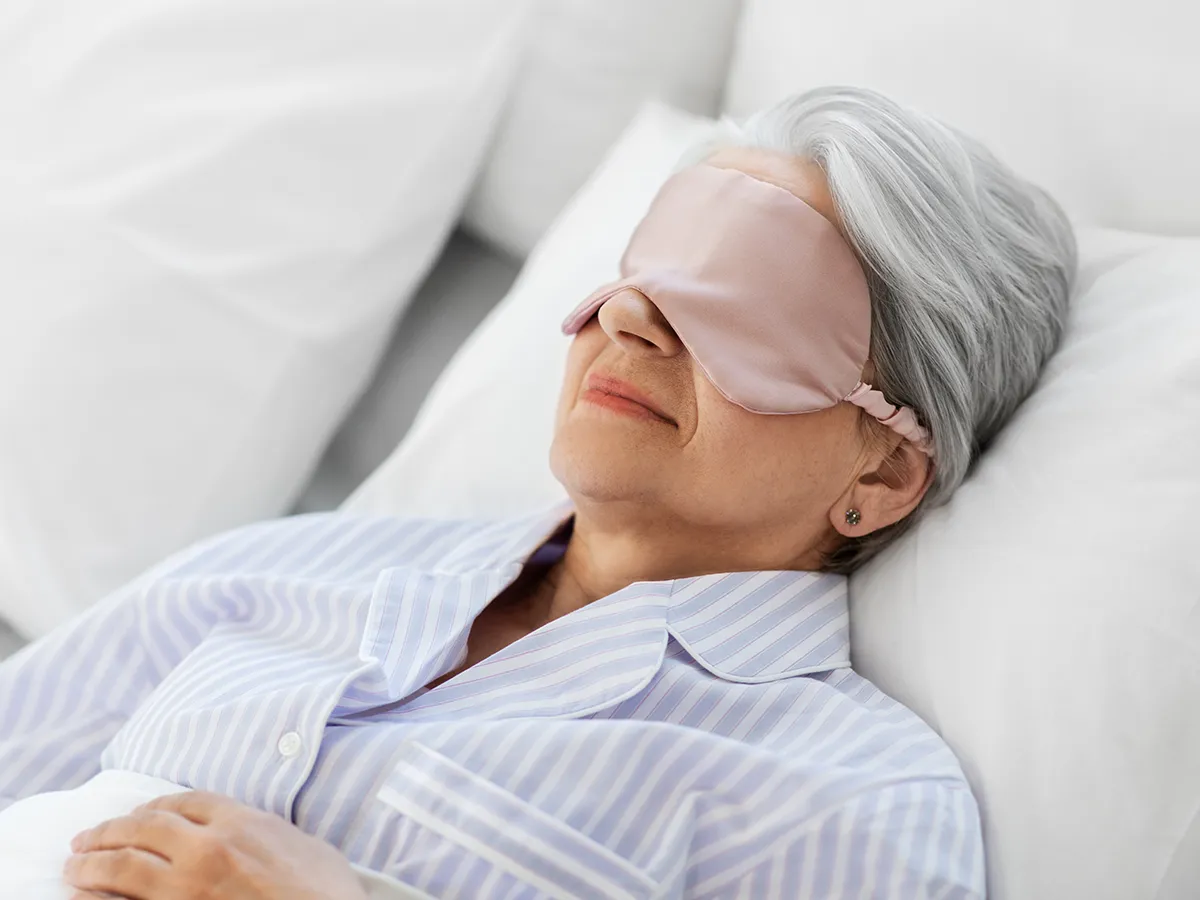
Understanding Sleep Problems in Women
Insomnia is difficulty falling asleep, staying asleep, or getting restful sleep, even when you have the chance to rest. It is one of the most common concerns women bring to psychiatry, and it rarely exists on its own. At Lilac Psychiatry, sleep is evaluated by Natasha Massoudi, MD, MPH, a physician who specializes in women's mental health, so the causes are addressed rather than only the symptom.
Signs Your Sleep May Need Attention
Sleep difficulties take many forms. You may recognize some of these:
- Trouble falling asleep even when you feel tired
- Waking frequently, or waking early and not returning to sleep
- A mind that races or worries the moment the lights go out
- Feeling unrefreshed, foggy, or irritable during the day
- The same worry-filled nights repeating, week after week
- Sleep that worsens around your cycle, in pregnancy, or during perimenopause
Why sleep is tied to something deeper
For many women, insomnia is a signal rather than a standalone problem. It commonly travels with anxiety, depression, ADHD and other conditions. Treating sleep in isolation often falls short. Understanding what is driving it is what leads to lasting rest.
How We Care for Sleep
Care is evidence-based and tailored to the cause. That may mean addressing an underlying anxiety or mood condition, adjusting habits and routines that affect sleep, and, when appropriate, medication considered thoughtfully rather than as a first and only step. As a physician who also provides psychotherapy, Natasha Massoudi, MD treats the whole picture, not just the sleepless nights.
What to Expect at Your First Visit
Your first appointment is an unhurried 90 minute evaluation that explores your sleep alongside your mood, stress, hormones, and daily rhythms. Care is delivered by secure telehealth across Massachusetts, Rhode Island, and Florida.
When to Reach Out
If poor sleep has become the norm and is draining your days, it is worth getting to the bottom of it. You do not have to simply accept exhaustion. There is space for your story here.
What to Expect in Care
A few things set Lilac Psychiatry apart, and you feel them from the very first visit:
- A physician who looks deeper. Every visit is with Natasha Massoudi, MD so your sleep is treated at its cause, not just its symptom.
- Trained for the women's health behind sleep. Fellowship-trained, attuned to how hormones and anxiety disrupt rest.
- Time to untangle the real cause. First visits run 90 minutes, long enough to see what is actually keeping you awake.
- More than a sleeping pill. Care for the underlying anxiety or mood, better routines, and medication considered thoughtfully, not first.
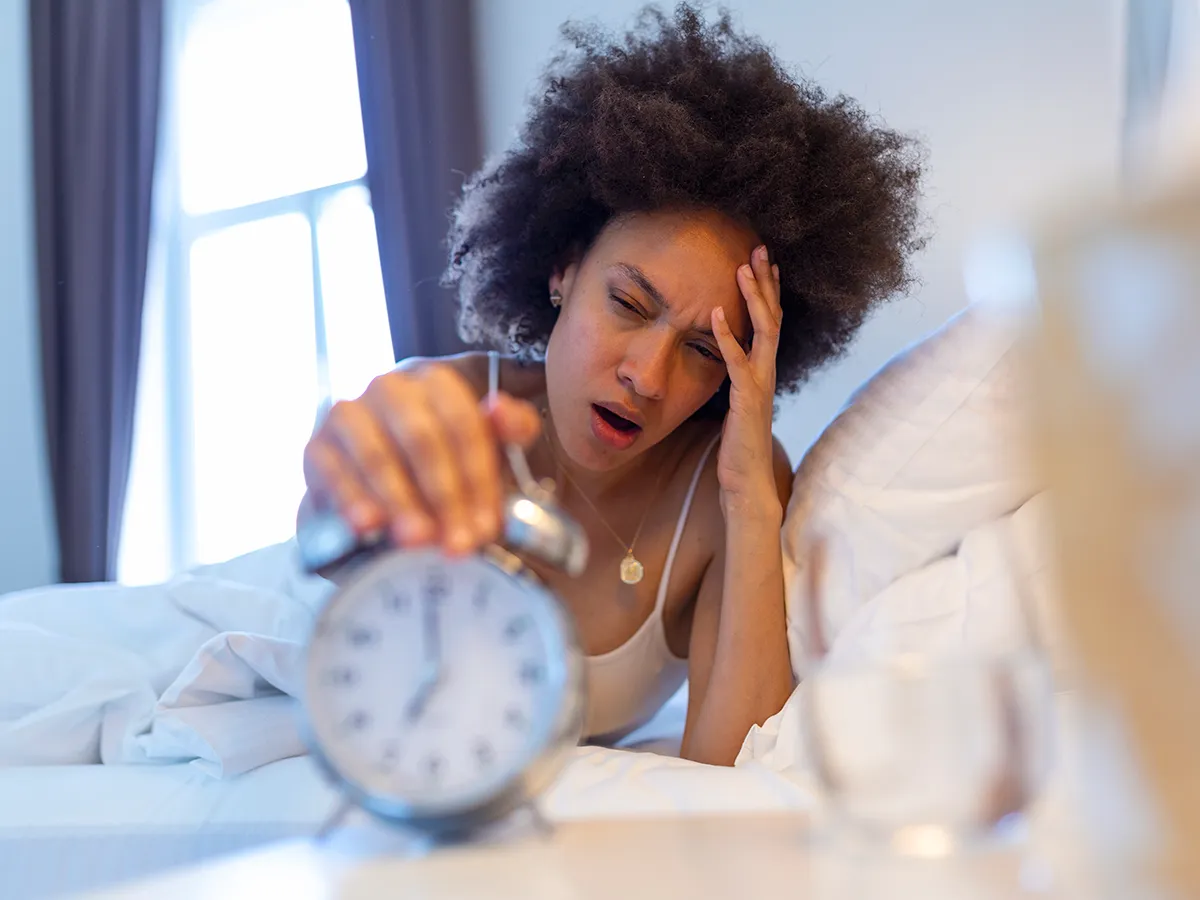
You do not have to live with exhaustion.
Physician-led care that treats the causes behind the sleepless nights.
FAQs
Insomnia in women is often driven by a mix of stress, anxiety or depression, and hormonal changes across the menstrual cycle, pregnancy, and perimenopause. Lifestyle, caffeine, and medical factors can contribute too, which is why a full evaluation matters.
Women experience insomnia more often than men, in part because of hormonal fluctuations and in part because anxiety and depression, which disrupt sleep, are also more common in women. Addressing those underlying factors improves sleep.
Frequently, yes. Sleep problems and mood or anxiety conditions often occur together and feed one another. Treating the underlying condition, not just the sleeplessness, tends to produce more durable results.
Yes. Hormonal shifts in perimenopause and menopause commonly disrupt sleep, sometimes alongside anxiety or mood changes. Dr. Massoudi addresses sleep in the context of this life stage.
Yes. Natasha Massoudi, MD evaluates and treats sleep concerns by secure telehealth for women in Massachusetts, Rhode Island, and Florida, addressing the causes behind the sleepless nights.